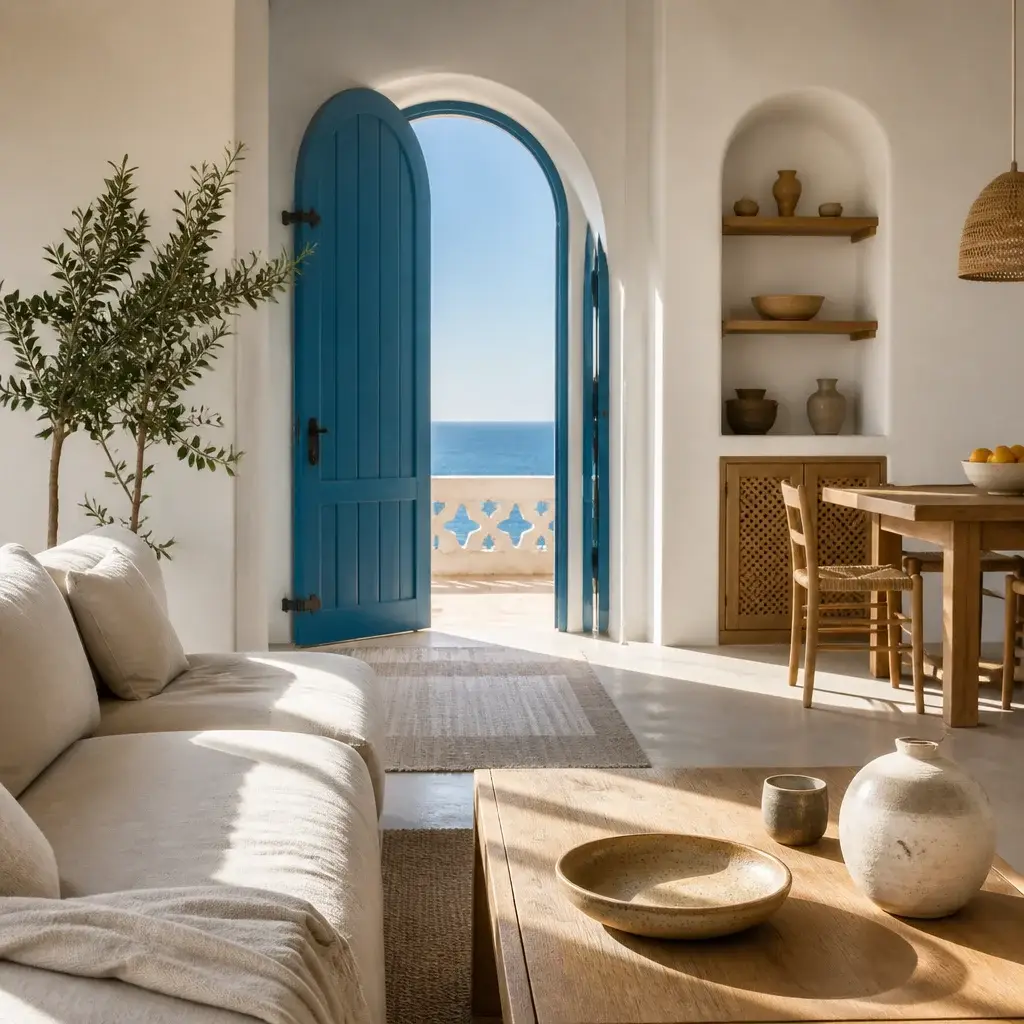
For a long time, digital design in the Mediterranean was imported. Templates arrived from elsewhere, then received a photograph of the sea and a line of Arabic. The result looked global and felt nowhere.
That period is ending. In Tunis, Sfax and Sidi Bou Said, studios are treating the interface as architecture: proportion, light, pause, threshold. A homepage is no longer a brochure. It is a room you enter.
The new language is quieter. Type is larger. Images are allowed to breathe. Gold is used the way a craftsman uses brass — rarely, and only where the hand should rest. Blue is not decoration. It is climate.
In Tunis, Sfax and Sidi Bou Said, studios are treating the interface as architecture: proportion, light, pause, threshold.
What makes the work Tunisian is not a motif. It is a sense of arrival. The best sites now feel like a courtyard after heat: shade first, then conversation. That sequence — shelter, then story — is becoming the grammar of the next decade.
The studios doing this work are small. They design for travel companies, furniture brands, public institutions and their own magazines. They publish in the open. The language is being written in public, which is how languages survive.
Youssef Triki